
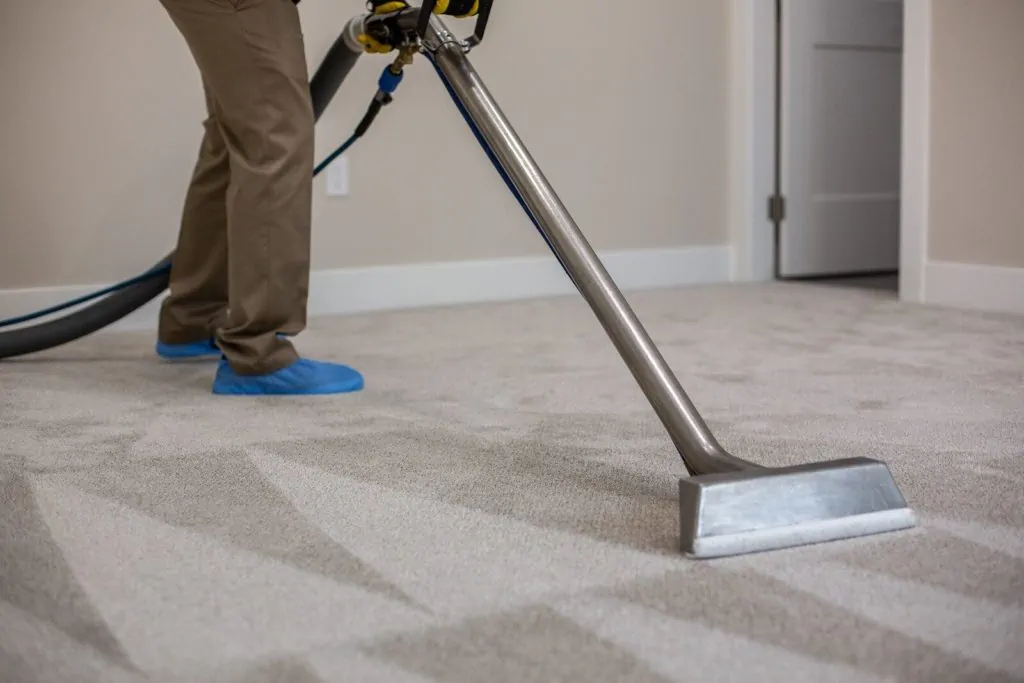
Are you stumped when it comes to choosing between steam and dry carpet cleaning? You're not alone! Many homeowners can't decide which method is the right one for their carpets. Taking into account factors such as material, stain types, and even health concerns makes the decision harder than expected. This comprehensive guide has all your answers on navigating through this daunting task - "Exploring Carpet Cleaning: Dry Versus Steam Cleans – Which One's Better For Your Home?".
In upcoming sections we'll be discussing how these two methods work mechanically, debating over moisture vs dryness topics. We will provide advice on what suits different kinds of fibers in accordance with various conditions as well as tackling stubborn stains using each method efficiently while also taking air quality & chemical usage into consideration, followed by cost analysis too.
Key takeaways
- Carpet steam cleaning, properly called hot water extraction, is the deep clean for homes: it rinses soil, spills and pet residue out of the pile, and with a truck-mounted unit the carpet is dry in 2 to 4 hours.
- Dry carpet cleaning (low-moisture encapsulation) uses a fraction of the water and is walkable in about an hour, which is why we use it for offices, lobbies and retail floors that cannot close.
- Steam is the wrong choice for wool, silk and other natural fibers and for carpet a rental machine has already over-wet; those need a low-moisture method or a plant wash.
- In homes, hot water extraction is priced by the area: one area up to 300 sq ft is $100, two areas $180 and each additional area $50, with a $180 appointment minimum ($220 inside Chicago ZIP codes). See the price list.
Unraveling the Carpet Cleaning Conundrum: Dry vs Steam
Carpets can be cleaned using two primary methods: carpet steam cleaning and dry cleaning. To assess which one is the optimal choice for a particular situation, both of these approaches must be compared in terms of advantages and disadvantages. Steam or hot water extraction involves deep scrubbing through a combination of pre-treating products, heated water as well as agitation to rid carpets of tough dirt and stains that might linger on its fibers. While the process employed by dry carpet cleaners relies upon specific compounds with faster drying times along with less consumption when it comes to H2O usage. Now let's analyze each method more closely so we can decide what works best within this industry called "carpet cleaning".
The Mechanics of Dry Carpet Cleaning
Carpet Dry Cleaning is a process that makes use of minimal moisture and an absorbent compound to trap dirt in its structure. It starts off with the technician applying cleaning chemicals to the area requiring attention, followed by spraying water on it so as to activate the detergent for optimal efficiency. Vacuuming takes place before one can resume using their carpet without any delay or fuss - making this option popular due to its time efficiency. For offices and retail floors we offer this as commercial dry carpet cleaning, so the space can reopen as soon as the crew leaves.
The Carpet Dry Cleaning solutions are formulated specifically for eliminating oily residue, which allows them to better target numerous stains while restoring balance back into carpets fibre composition. Compared to steam cleaning, these services may not be able to remove tough spots and ingrained filth as efficiently.
Carpet Steam Cleaning: How Hot Water Extraction Works
Steam cleaning is a carpet-cleaning process that involves hot water extraction, preconditioning the surface of carpets, and using high pressure to agitate dirt particles. This type of deep cleaning allows for the effective removal of stains and foreign elements, such as soil, from within the carpet fibers. Leading carpet manufacturers often recommend it due to its strength over dry cleaning methods. It tends to use more water, thus having longer drying times, which can increase risks related to mold developing on wet carpets if they are not dried properly afterward.
The Great Debate: Moisture vs Dryness in Carpet Care
When it comes to making the choice between moisture-based steam cleaning and dry cleaning methods for carpet maintenance, there are pros and cons of both. Steam cleaning is effective in removing stubborn stains as well as dirt. Longer drying times coupled with a higher risk of mold development may be an issue if not dried adequately. Dry Cleaning offers shorter drying time alongside decreased water usage while having less chance of mold growth, yet can often struggle when attempting to get rid of deep-seated grime or heavily soiled carpets.
The type, material makeup, and level of spoilage should all factor into your decision on which method best serves your needs effectively - understanding the strengths/weaknesses associated with each approach will help you make an informed decision that fits the unique properties of your particular carpet fibers and living environment situation.
Tailoring Your Choice to Carpet Fibers and Conditions
Carpet cleaning methods should be determined based on factors such as the type of carpet, material used, and amount of dirt. Both steam and dry cleaning could come in handy for a variety of surfaces. Steam is preferable to tackle more severe instances like wine stains or oil spills, while it can also provide relief from allergic reactions. Dry cleansing solutions are gentler than those recommended with steam, so they prove useful when treating carpets made up of heat-sensitive materials like wool fibers. It still offers great results without compromising your floor covering's condition or appearance down the line.
The Battle Against Stains: Which Method Triumphs?
Cleaning carpets is a battle and both dry cleaning techniques and steam cleaning have their benefits. Dry cleaning compounds are useful for removing tannin stains, fat, grease or oil-based marks as well as dyes that can discolor carpet fibers without causing damage to them. Steam cleaning's powers of hot water with pre-treatment followed by agitation make it the perfect choice for deep cleaning on dirtier surfaces such as grime buildup or tough marked areas, even if they're longstanding.
The Health Factor: Considering Air Quality and Chemical Use
When analyzing the advantages and disadvantages of steam cleaning versus dry-cleaning, one must consider how each method affects air quality and chemical usage. Steam cleaners tend to utilize fewer substances than traditional cleaners, thus diminishing any possibility of hazardous leftovers polluting a house's interior. This makes this process preferable for people who want to keep their home free from toxic chemicals while also improving its overall air quality.
On the other hand, dry cleaning may have negative consequences if it is not properly conducted since some elements could remain trapped in carpets or rugs after execution resulting in reduced air purity over time when exposed regularly, which can potentially cause adverse reactions such as allergies or intolerances becoming more severe.
Timing the Clean: Drying Time and Scheduling Considerations
When it comes to steam and dry carpet cleaning methods, the amount of drying time required is an important element that should be taken into consideration. Steam carpet cleaning with a truck-mounted unit leaves carpet dry in 2 to 4 hours, and far longer with a rental machine that recovers little of the water it puts down, which may not fit every office's schedule. On the flip side, since minimal moisture usage is a main feature of dry cleaning, its quick nature makes it very appealing when looking for fast solutions.
It's vital to consider what kind of space you're working with before selecting between these two types of techniques, as there are various elements at play here, such as timing implications, efficacy on stain removal, air quality preservation, or chemical use reduction.
Cost Analysis: Budgeting for Carpet Maintenance
Price is the easiest part to pin down, because ours is published. In homes we use hot water extraction and charge by the area: one area up to 300 sq ft is $100, two areas are $180 and each additional area is $50, with a $180 appointment minimum ($220 inside Chicago ZIP codes). Stairs are $4.80 per step, and stain treatment, deodorizer or carpet protector add $15 per area each. Commercial dry cleaning is quoted per job after a free walkthrough, since square footage, layout and the hours we can work all move the number. The calculator gives an instant estimate, and for worked examples see our Chicago carpet cleaning cost guide.
Longevity and Your Carpet's Lifespan: Method Impact
Both steam cleaning and dry cleaning have an effect on the longevity as well as appearance of your carpets. It is recommended to get a professional steam clean done at least once every year in order to ensure maximum usage. Frequent use may harm if not applied correctly, like when using the wrong temperature settings or for too long with the same cleaner. It's essential that after performing such tasks, the carpet should be left completely dried out to reduce the development of molds and mildew spores.
On the contrary, a faster drying period and less water consumption are acquired using dry cleaning. But this technique might not prove quite helpful while removing obstinate dirt particles and stains which could eventually deteriorate look & quality both being significant factors relating specifically to carpet fibers' preservation.
When steam cleaning is not the right choice
Hot water extraction is our default for homes, but five situations call for another method.
- Wool, silk and other natural fibers. Heat and a heavy rinse can shrink wool, bleed vegetable dyes and distort a hand-knotted rug. Those fibers need lower heat and far less water, and a valuable rug should be washed and dried flat at a rug plant.
- Floors that cannot be out of use. An office lobby, a store or a waiting room cannot spare even 2 to 4 hours, so those get low-moisture encapsulation, which is walkable in about an hour.
- Carpet that is already over-wet. If a rental machine has left the pad soaked, adding more water invites wicking and a musty smell; the carpet needs to dry out first.
- Oil, grease and dye stains. Water alone does not move them, so they get a solvent or specialty spotter as part of stain removal before any rinse.
- Matted traffic lanes. Water and suction do not restore crushed pile; a counter-rotating brush pass, our $50 CRB upgrade, lifts the fibers so the rinse reaches the base.
The method should match the fiber and the room. Rental steam cleaners earned their reputation for long drying times and sticky residue because they put down far more water than they recover; a truck-mounted unit with a proper rinse, and carpet dry in 2 to 4 hours, is a different experience.
Professional Insight: When to Call in the Experts
Keeping a neat carpet between cleaning sessions is essential for good indoor air quality. There are times when professional help should be sought. Expert cleaners can provide advice on how to maintain the aesthetic of carpets and guarantee healthy air by thoroughly washing them once per year. With their specialized tools and solutions, they have better chances of removing persistent stains without damaging fibers than regular domestic methods would do.
Enlisting professional services will not only keep your carpets in good condition but also increase their longevity as well as get great results with regard to appearance and cleanliness levels when compared against DIY options.
Custom Solutions for Unique Carpet Challenges
Carpets can present unique challenges when it comes to cleaning, such as heavily soiled carpets or health-related issues. To take on tough stains and deeply embedded dirt, one should begin by vacuuming with a high-quality machine that has filtration capabilities. For stronger action, you may opt for creating a paste of vinegar, borax and salt, which will be applied directly to the problem area of your carpeting. On an annual basis, dry steam cleaning is recommended to help reduce any risk posed by mildew spores lingering within affected rugs.
Homeowner Hacks: Maintaining a Clean Carpet Between Services
Maintaining a clean and inviting environment with carpets between deep cleaning jobs isn't hard at all. By following some easy tips, you can ensure the quality of your floor coverings is not diminished in time. These are several options to consider:
- Get a protectant against staining or invest in resistant treatment.
- Cleaning often should become part of your routine. Vacuuming twice weekly for best results, but more frequently if it's an area that receives high traffic levels.
- Avoid wearing shoes inside on these surfaces. Adding plastic mats or rugs where necessary as protection.
- Take care when spills happen by using appropriate solutions straight away so they don't stay around longer than needed!
Taking particular attention to pet hair requires other useful techniques like working out tangles with either a carpet rake, lint roller, or squeegee brush before ever attempting any kind of vacuum job and brushing their fur regularly while also making use of baking soda or fabric softener sheets.
Summary
To sum up, it ultimately comes down to your individual needs and preferences when selecting a dry or steam carpet cleaning method. While every option has its own pros and cons, one should thoroughly weigh each factor, such as the impact on fibers, ability to remove stains, effect on air quality levels, drying time required along with cost, before making any decisions. By gaining an understanding of all these features associated with different techniques for carpet washing and adjusting according to specific conditions related to the fabric itself in homes, you will be able easily select the most suitable care procedure that best fits them.
Frequently Asked Questions
Is steam cleaning or dry cleaning carpet better?
For carpets that may suffer damage from moisture, dry cleaning is an ideal choice, while steam cleaning works best to remove any deep-set stains or other dirt.
What are the disadvantages of steam carpet cleaning?
The two real drawbacks are drying time and fiber sensitivity. Carpet is out of use for 2 to 4 hours after a truck-mounted cleaning, and much longer after a rental machine that leaves most of the water behind; that over-wetting is also what causes the sticky residue and musty smell people blame on steam cleaning. Wool, silk and other natural fibers can shrink or bleed under heat and heavy rinsing, so they get a low-moisture method or a plant wash instead.
What are the primary differences between steam cleaning and dry carpet cleaning?
Steam cleaning of carpets employs hot water extraction and preconditioning for a deep clean, while dry cleaning is done using absorbent compounds or crystal polymer technology. The two methods differ in that the former uses heated water, whereas the latter does not.
What factors should be considered when choosing between steam and dry cleaning for specific carpet fibers and conditions?
When choosing cleaning carpets – whether steam or dry – material, soiling level, and any health issues should be considered. Both methods have their advantages in some instances. Thus, it is best to carefully consider which one would suit the carpet better.


